
Peptide Purity and Analytical Testing Methods in Research Settings
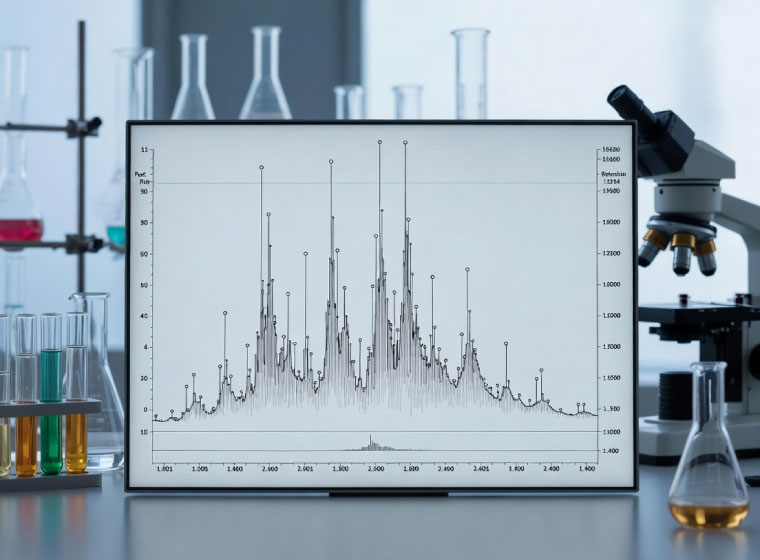
Peptide Purity and Analytical Testing Methods in Research Settings
Educational overview of standard laboratory techniques commonly referenced in research chemical literature.
High-purity peptides for laboratory use are typically verified using analytical methods such as:
- High-Performance Liquid Chromatography (HPLC) – separates and quantifies peptide components
- Mass Spectrometry (MS) – confirms molecular weight and sequence
- Amino Acid Analysis – verifies composition after hydrolysis
These methods help determine purity percentages (e.g., ≥98–99%) reported on Certificates of Analysis (CoA) provided by suppliers for research purposes. Results are specific to controlled lab testing conditions.
Source & Credit: General information drawn from standard analytical chemistry references and peptide supplier documentation practices (2024–2026). For educational purposes only.
Disclaimer: All products on this site are strictly for research use only — not for human or animal consumption.


